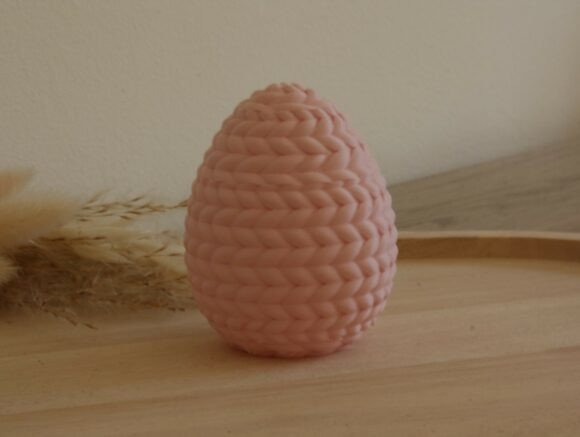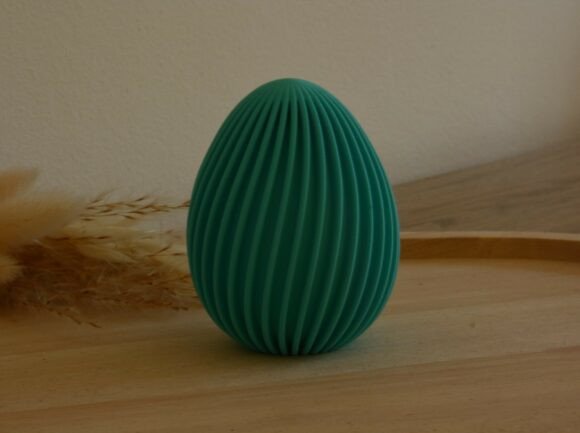
Star Egg 3D Printing File 3MF, STL
The Star Egg 3D printing file offers a versatile solution for creators and makers looking to bring unique designs to life. Available in both 3MF and STL formats, this model caters to a wide range of 3D printing needs and software preferences. Whether you're using Bambu Slicer or any other popular slicer like Anycubic Slicer, PrusaSlicer, CuraSlicer, or OrcaSlicer, the Star Egg provides flexibility and ease of use.
Understanding the Star Egg 3D Printing File
The Star Egg 3D printing file is designed with precision and creativity in mind. The 3MF format is optimized for use with Bambu Slicer, offering pre-configured print settings that help achieve results close to the visual examples provided. This makes it an excellent choice for users who want to streamline their workflow and focus on the creative aspects of their projects without getting bogged down by complex configurations.
For those who prefer more control over their printing process, the STL file provides a blank canvas. While it requires manual configuration of print settings, this format allows for greater customization and adaptability across different slicers. It's ideal for users who want to experiment with various materials, layer heights, or infill densities to suit their specific project requirements.
Exploring Creative Possibilities
The Star Egg design opens up a world of creative possibilities. Its unique shape and structure make it suitable for a variety of applications, from decorative items to functional components. Whether you're creating a custom piece for your home, a unique gift, or a prototype for a product, the Star Egg can be adapted to fit your vision.
One idea is to use the Star Egg as a base for custom sculptures or art installations. By adding textures, colors, or combining it with other 3D printed elements, you can create something truly one-of-a-kind. For example, a maker might integrate the Star Egg into a larger kinetic sculpture, using its form as a central element that interacts with light or movement.
Practical Applications and Variations
Beyond artistic endeavors, the Star Egg can also serve practical purposes. It could be used as a component in a mechanical device, a holder for small objects, or even as a part of a larger assembly. The ability to scale the model freely means you can adjust its size to fit specific needs, whether it's a miniature version for a display or a larger one for a functional item.
However, it's important to note that scaling the model too small may lead to printing challenges. The nozzle size and filament properties can affect the quality of very thin lines, so it's best to keep the original dimensions unless you have experience with fine-tuned printing settings. At its standard size, the Star Egg is safe and reliable, with dimensions of 63.94 mm × 63.94 mm × 75.38 mm.
Material Considerations
When choosing materials for your Star Egg print, consider the intended use. If the final product will come into contact with food or be exposed to high temperatures, PETG is a recommended choice. It offers better heat resistance and is food-safe, making it ideal for kitchenware or other items that require durability and safety.
For general use, PLA is a popular option due to its ease of printing and eco-friendly nature. However, if you're working in environments with fluctuating temperatures or need a more robust material, PETG provides a reliable alternative. Understanding the properties of different filaments can help you make informed decisions that enhance the functionality and longevity of your prints.
Adapting for Different Goals and Audiences
The Star Egg 3D printing file is not just a single-use model; it's a foundation for diverse projects. Creators can tailor it to suit different audiences, whether they're designing for children, professionals, or collectors. For instance, a designer might modify the Star Egg to include interactive elements for educational toys, while a hobbyist might focus on aesthetics for a personal collection.
Additionally, the file can be adapted for various platforms and formats. It can be integrated into digital portfolios, used in online marketplaces, or shared as a resource for others to build upon. This versatility makes it a valuable asset for educators, entrepreneurs, and content creators looking to expand their offerings or provide engaging materials to their audience.
Ensuring Quality and Consistency
To achieve the best results with the Star Egg, it's essential to maintain consistent printing practices. Factors such as room temperature, filament moisture, and the condition of the print bed can significantly impact the outcome. Ensuring a stable environment and properly prepared materials can help minimize issues and improve the overall quality of your prints.
For the STL file, taking the time to configure settings carefully can lead to more accurate and reliable results. Experimenting with different parameters, such as layer height, infill density, and print speed, can help you find the optimal balance between detail and efficiency. Keeping records of successful settings can also be useful for future projects or when sharing tips with others.
Conclusion
The Star Egg 3D printing file offers a blend of creativity, flexibility, and practicality for makers at all levels. Whether you're using the 3MF file for a streamlined experience or the STL file for greater customization, this model provides a solid starting point for a wide range of projects. By understanding its features, exploring its potential, and adapting it to your specific needs, you can unlock new opportunities for innovation and expression.