Knitted Egg 3D Printing File 3MF, STL: A Versatile Tool for Creators and Entrepreneurs
In the ever-evolving world of 3D printing, the Knitted Egg 3D Printing File 3MF, STL has emerged as a highly sought-after resource for professionals, creators, and entrepreneurs. This intricate model offers a unique blend of design sophistication and technical flexibility, making it an ideal choice for those looking to push the boundaries of their 3D printing projects. Whether you're a hobbyist or a business owner, understanding the value of this file can open up new possibilities in your creative workflow.
What is the Knitted Egg 3D Printing File 3MF, STL?
The Knitted Egg 3D Printing File 3MF, STL is a digital model designed for 3D printing, offering two file formats: 3MF and STL. The 3MF file is specifically optimized for use with Bambu Slicer, ensuring that the print settings included in the file produce results that closely match the images provided. On the other hand, the STL file is compatible with a wide range of slicers, including Anycubic Slicer, PrusaSlicer, CuraSlicer, and OrcaSlicer. This versatility makes it accessible to a broad audience of users, regardless of their preferred software.
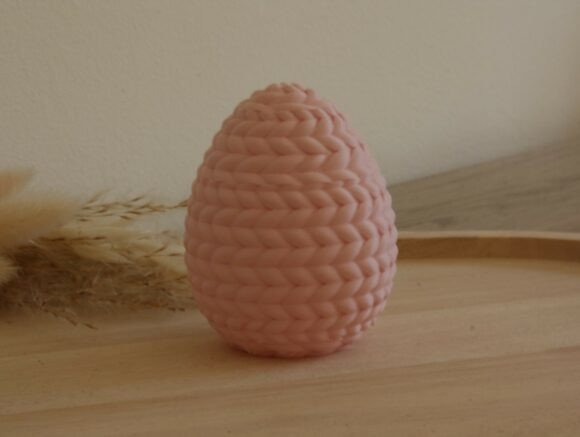
The Knitted Egg model is known for its detailed texture, which mimics the appearance of knitted fabric. This level of detail requires precise printing settings to achieve the desired outcome. For users working with the 3MF file, the pre-configured settings help ensure consistent results, while those using the STL file must manually adjust their settings to replicate the same quality. This distinction highlights the importance of choosing the right file format based on your specific needs and equipment.
Why the Knitted Egg is Gaining Attention
The Knitted Egg 3D Printing File 3MF, STL has captured the attention of the 3D printing community for several reasons. First, its design is both aesthetically pleasing and functionally practical, making it suitable for a variety of applications. From decorative items to functional prototypes, the egg's unique texture adds a distinctive touch that sets it apart from standard 3D printed models.
Second, the file's compatibility with multiple slicers and printers makes it an attractive option for users who may not have access to a single preferred software. This flexibility is especially valuable in professional settings where different teams or departments may use varying tools. By providing both 3MF and STL formats, the Knitted Egg ensures that users can integrate it into their existing workflows without significant adjustments.
Moreover, the ability to scale the model freely adds another layer of appeal. Users can customize the size of the egg to suit their specific requirements, whether they need a small ornament or a larger display piece. However, it's important to note that scaling the model too small may lead to printing issues due to the limitations of nozzle sizes and material properties. At its original dimensions—60.12 mm × 60 mm × 73.48 mm—the model prints safely and reliably, making it a great starting point for any project.
Relevance in Industry and Creative Trends
The rise of 3D printing has transformed industries ranging from manufacturing to education, and the Knitted Egg 3D Printing File 3MF, STL is a prime example of how digital design is shaping modern creativity. As more individuals and businesses embrace 3D printing, the demand for high-quality, versatile models like the Knitted Egg continues to grow.
In the context of lifestyle and consumer trends, the Knitted Egg represents a shift toward personalized and artisanal products. With the ability to customize size and material, users can create unique items that reflect their individuality. This aligns with the growing interest in handmade and bespoke goods, even within the realm of digital fabrication.
From a business perspective, the Knitted Egg offers opportunities for entrepreneurs looking to expand their product lines. Whether selling 3D printed accessories, custom home decor, or educational tools, the model provides a solid foundation for innovation. Its compatibility with various materials also allows for experimentation, such as using PETG for food-safe applications or PLA for more traditional uses.
Practical Applications and Observations
One of the most compelling aspects of the Knitted Egg 3D Printing File 3MF, STL is its adaptability. For instance, a designer might use the model to create a series of decorative eggs for a seasonal collection, while a manufacturer could incorporate it into a line of novelty items. In both cases, the file serves as a reliable base that can be modified to meet specific needs.
Another practical consideration is the importance of material selection. While PLA is a popular choice for its ease of use and eco-friendly properties, the Knitted Egg may benefit from using PETG in certain scenarios. PETG offers greater durability and heat resistance, making it ideal for items that will come into contact with food or be exposed to higher temperatures. This flexibility in material options further enhances the model's utility across different applications.
Additionally, the file's scalability opens up new creative possibilities. A user might start with the original size and then experiment with smaller or larger versions to explore different textures or structural integrity. This process encourages a deeper understanding of 3D printing mechanics and helps users refine their skills over time.
Conclusion
The Knitted Egg 3D Printing File 3MF, STL is more than just a digital model—it's a tool that empowers creators, entrepreneurs, and enthusiasts to bring their ideas to life. Its combination of design excellence, technical flexibility, and practical usability makes it a valuable asset in the rapidly expanding world of 3D printing. Whether you're looking to enhance your creative projects or explore new business opportunities, the Knitted Egg offers a compelling solution that aligns with current trends and future possibilities.