Hand Saw - 3d Papercraf: A Strategic Tool for Creative and Practical Projects
The Hand Saw - 3d Papercraf is more than a simple craft kit; it’s a strategic resource that empowers individuals to bring complex designs to life with precision, creativity, and efficiency. Whether you're an entrepreneur, educator, or hobbyist, this papercraft offers a tangible way to visualize ideas, enhance productivity, and support long-term goals through hands-on engagement.
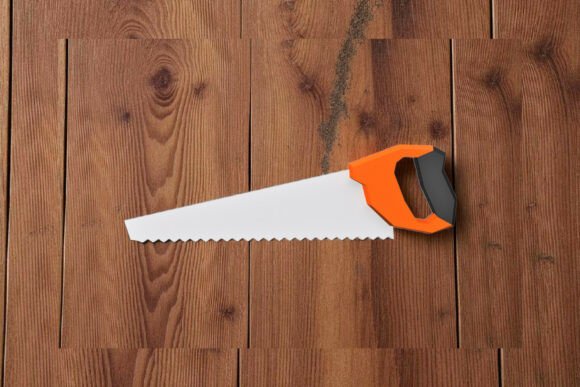
Designed for those who value both form and function, the Hand Saw - 3d Papercraf provides a structured approach to creating a detailed model of a hand saw. The project includes digital files in multiple formats—PDF, DXF, EPS, PNG, and JPG—ensuring flexibility for users with different tools and preferences. With a total assembling time of approximately two hours and an assembled size of 11 x 2 x 36 cm, it balances detail with practicality, making it ideal for a wide range of applications.
Why Hand Saw - 3d Papercraf Matters for Strategic Planning and Execution
In today’s fast-paced world, strategic thinking often requires visual and tactile elements to clarify ideas and drive action. The Hand Saw - 3d Papercraf serves as a powerful tool for this purpose. By transforming digital blueprints into physical models, users can better understand spatial relationships, test design concepts, and communicate ideas effectively.
For entrepreneurs and small business owners, this papercraft can be used to prototype product designs, create marketing materials, or develop educational content. It allows for quick iterations and adjustments without the need for expensive manufacturing processes. This makes it an excellent resource for testing market viability or refining creative concepts before investing significant time or capital.
Similarly, educators and trainers can leverage the Hand Saw - 3d Papercraf to teach students about engineering principles, design thinking, or historical tools. The hands-on nature of the project encourages active learning, critical thinking, and problem-solving skills. It also fosters collaboration, as teams can work together to assemble and refine the model, enhancing communication and teamwork.
How to Use Hand Saw - 3d Papercraf Intentionally and Effectively
To maximize the value of the Hand Saw - 3d Papercraf, it’s essential to approach the project with clear objectives in mind. Before starting, consider what you hope to achieve—whether it’s a functional model, a teaching aid, or a creative expression. This clarity will guide your decisions throughout the assembly process and ensure that the final result aligns with your goals.
Begin by gathering all the necessary materials: a colored printer, glue, scissors, a craft knife, a scorer or bone folder, a non-working ballpoint pen, a ruler, and A4 letter cardstock paper. Print the templates full size on A4 paper, then carefully cut out each piece. Use the scorer to create precise folds, and apply glue to the flaps to assemble the model. Pay attention to details, as even small errors can affect the final outcome.
When working on the Hand Saw - 3d Papercraf, take your time. Rushing through the process may lead to mistakes or a less polished result. Instead, focus on accuracy and quality. This mindset not only improves the final product but also reinforces the value of patience and precision in any project.
Strategic Applications of Hand Saw - 3d Papercraf in Real-World Scenarios
The versatility of the Hand Saw - 3d Papercraf makes it suitable for a variety of real-world applications. For instance, marketers and advertisers can use the model as part of a product launch campaign, showcasing the design in print or digital media. It can also serve as a physical prop for presentations, helping to engage audiences and convey key messages more effectively.
Creators and designers can integrate the Hand Saw - 3d Papercraf into their workflow to explore new ideas or refine existing ones. By building a physical representation of a concept, they can identify potential issues, make adjustments, and gain a deeper understanding of the design’s functionality. This iterative process supports innovation and ensures that the final product meets both aesthetic and practical standards.
Additionally, the Hand Saw - 3d Papercraf can be used in branding and customer experience initiatives. Companies can offer custom versions of the model as promotional items, reinforcing brand identity while providing value to customers. It can also be incorporated into interactive experiences, such as workshops or exhibitions, where participants can engage with the design and learn about its features.
Considerations Before Relying on Hand Saw - 3d Papercraf
While the Hand Saw - 3d Papercraf is a valuable tool, it’s important to recognize its limitations. It is best suited for projects that require a physical representation of a design, rather than a fully functional product. Users should also consider the time and effort required to assemble the model, ensuring that it aligns with their schedule and resources.
Another key consideration is the quality of the materials used. While the papercraft itself is designed for durability, the final result depends on the user’s attention to detail and the quality of the paper and adhesives. Investing in high-quality materials can significantly improve the outcome and extend the lifespan of the model.
Finally, users should be mindful of the context in which they use the Hand Saw - 3d Papercraf. It is most effective when integrated into a broader strategy, rather than treated as a standalone activity. By aligning the project with specific goals, users can ensure that it contributes meaningfully to their overall objectives.
Long-Term Value and Sustainable Use of Hand Saw - 3d Papercraf
The Hand Saw - 3d Papercraf offers long-term value when used intentionally and sustainably. Its digital file formats allow for easy replication and customization, enabling users to adapt the design for different purposes or audiences. This flexibility makes it a cost-effective solution for repeated use, whether for educational, commercial, or personal projects.
Moreover, the hands-on nature of the project promotes a deeper connection between the user and the design. This engagement can lead to greater satisfaction, improved learning outcomes, and stronger creative development. By fostering a sense of accomplishment, the Hand Saw - 3d Papercraf encourages continued exploration and innovation.
As the demand for sustainable and eco-friendly solutions grows, the Hand Saw - 3d Papercraf represents a responsible alternative to traditional manufacturing methods. It minimizes waste, reduces environmental impact, and supports a circular economy by allowing users to reuse and repurpose the model in various ways.
Conclusion: Embracing the Strategic Potential of Hand Saw - 3d Papercraf
The Hand Saw - 3d Papercraf is more than just a craft project—it’s a strategic asset that can enhance creativity, improve decision-making, and support long-term goals. By approaching the project with intention and care, users can unlock its full potential and apply it to a wide range of real-world scenarios.
Whether you’re looking to refine a design, teach a concept, or create a meaningful product, the Hand Saw - 3d Papercraf offers a practical and engaging way to bring your ideas to life. With the right mindset and resources, it can become a valuable tool in your creative or professional toolkit.